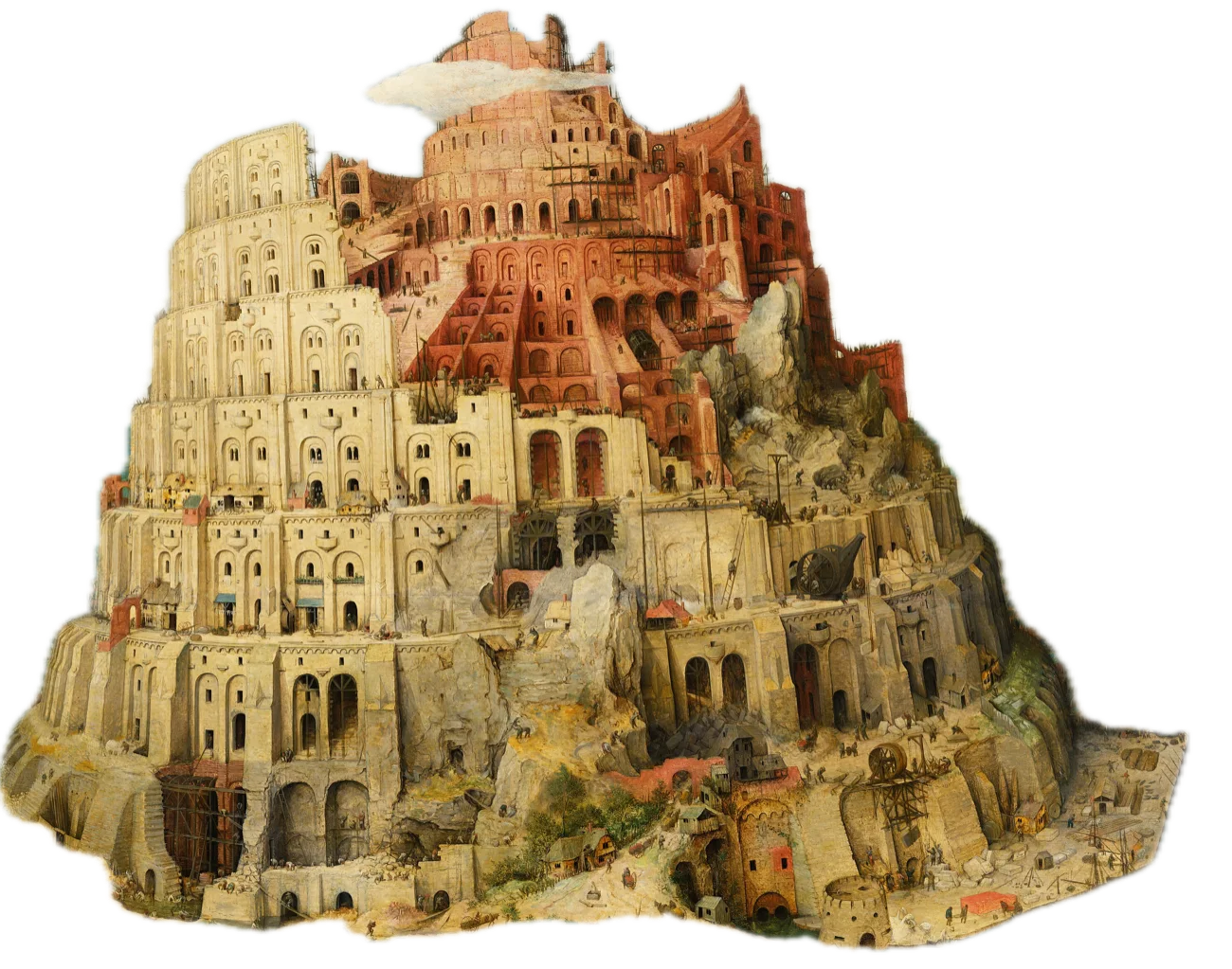
A whole city at work on one building, every level at a different stage. A hospital group runs genetics the same way: many sites, one structure, one record of where each part stands.
Many sites.One record of every case.
Hospitals, departments and laboratories work as units of one organisation, each with its own roles and its own view, with one audit trail across all of them and the volume, residency and contract terms a programme needs.
Every site its own unit.Every case in one system.
Units carry their own members, roles and visibility. A case referred from one unit to another keeps its history, and a person sees only what their memberships allow.
Who decided what.And what changed since.
One audit trail across every unit: each action by a person or an agent with its actor, time, outcome and the versions involved, streamed to your own storage if you want a copy.
Built for the programme.Not only the pilot.
A high-volume lane for exomeSequencing of the protein-coding parts of the genome, about one to two percent of it, where most known disease variants sit. and genomeSequencing of all of a person's DNA, coding and non-coding regions alike. runs, reads processing in-house from FASTQThe raw reads from a sequencer with a quality score per base, before alignment., BAMA file of sequencing reads aligned to the reference genome; CRAM is its compressed form. and CRAMA compressed file of aligned sequencing reads, smaller than BAM with the same content., and the same workbench whether a site handles ten cases a year or ten thousand.
Set by contract.Run by your rules.
Hospital groups and national programmes buy Tulparus by contract: residency and deployment, identity, the agreements that go with each country, and service levels with a named contact.