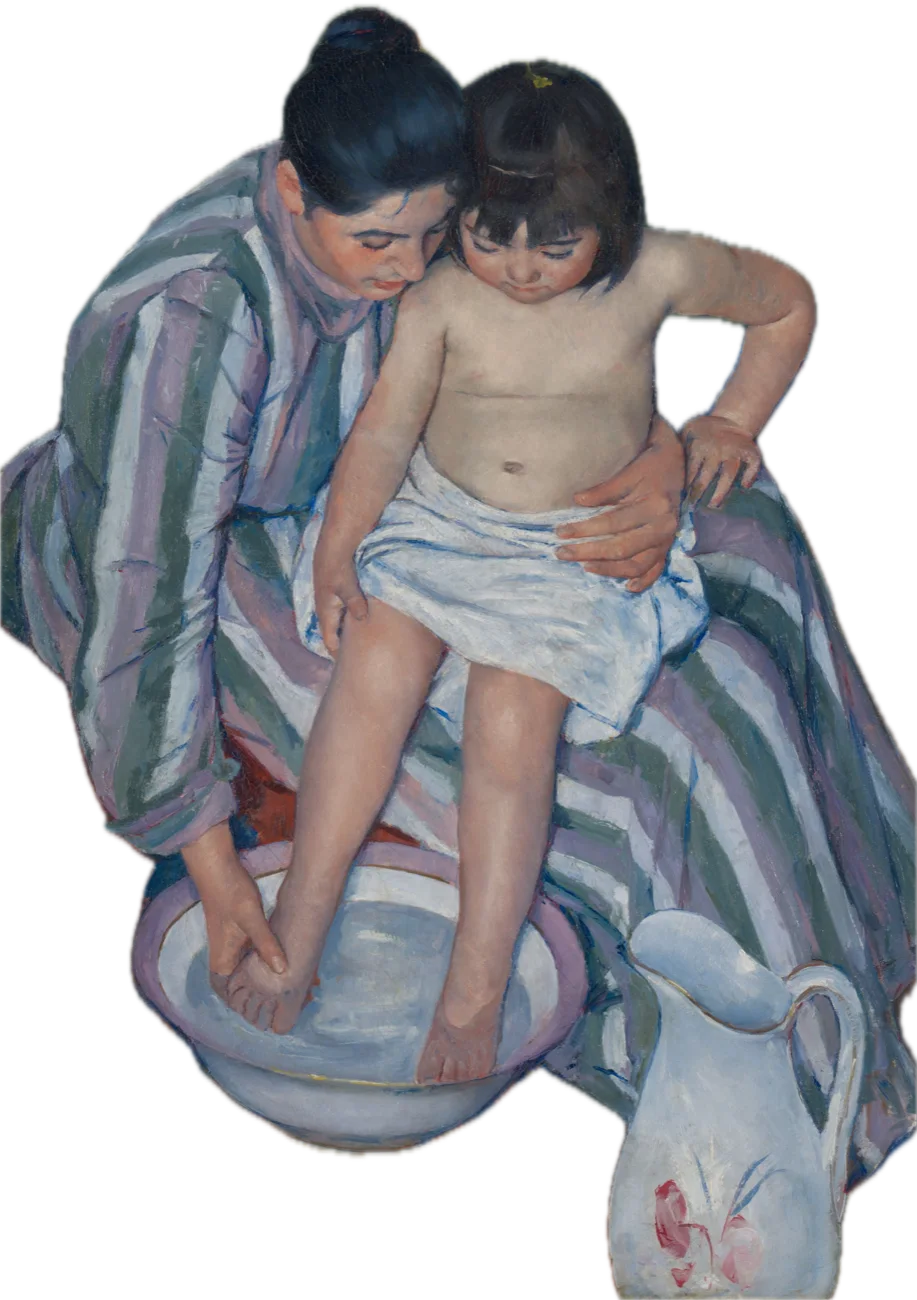
A mother and her child, both looking down at the same thing. Counselling is that kind of attention: the family and the finding, held together.
Keep the family in view.Say what the evidence says.
The pedigreeA family tree that records relationships and who is affected, drawn in the standard clinical notation., the consent, the findings and the open questions stay in one case. Every ranking comes with its reasons in plain words, and no score is ever shown as the chance that a gene is the answer.
The family in one record.The pedigree kept with the case.
Relationships, inheritance, who was tested and who declined sit beside the findings, so what is known about the family is never apart from what is known about the variant.
What was said.What was never asked.
Findings from the referral letter and the clinic notes become phenotypeThe observable clinical findings of a patient, recorded here as HPO terms with their status. terms you confirm. Unknown and not tested are kept apart from absent, so a feature nobody asked about never counts against a gene.
Say what is known.Show what is not.
Each hypothesis carries its reasons, its evidence for and against, and its open questions in plain words, so what you tell a family is what the record supports and nothing more.
The case stays open.So does the door.
An unresolved case keeps working after the family goes home. When knowledge changes, the case is re-checked and the change worth a look is ready for your review, with the family’s consent and contact on record.